FAQ
General Questions About the Law Offices of Erika E. Anderson
Yes. While the firm is based in Albuquerque, the Law Offices of Erika E. Anderson represents clients throughout New Mexico and helps determine the best way to move forward with their legal matter.
Erika E. Anderson is the founder and managing partner of the Law Offices of Erika E. Anderson. She is a civil litigation attorney with approximately 25 years of experience serving New Mexicans. Prior to law school, Ms. Anderson was a licensed mental health counselor in New Mexico, an experience that continues to inform her empathetic approach to client advocacy.
You can schedule a consultation by calling the office or filling out the contact form on the firm’s website. An intake specialist will review your information and help determine the next step for your legal matter.
Personal Injury FAQ

After an accident, your first priority should be your health and safety. Seek medical attention as soon as possible, even if your injuries do not seem serious at first. You should also report the accident, gather photos or evidence if you can, exchange information with the other parties involved, and avoid giving detailed statements to insurance companies before speaking with an attorney.
It is best to contact a personal injury attorney as soon as possible after an accident. Early legal guidance can help protect your case, especially if evidence needs to be preserved, witnesses need to be contacted, or insurance companies are already reaching out. The sooner an attorney is involved, the sooner they can help you avoid common mistakes that could hurt your claim.
The firm handles a wide range of personal injury cases, including car accidents, truck accidents, motorcycle accidents, medical malpractice, wrongful death, and other injury claims caused by negligence. Every case is unique, and the firm guides each client through the legal process while helping them pursue fair compensation.
Depending on your case, you may be able to recover compensation for medical bills, future medical care, lost wages, reduced earning ability, pain and suffering, emotional distress, property damage, and other losses related to the accident. Every case is different, so the value of your claim depends on the facts, the severity of your injuries, available insurance coverage, and the long-term impact of the accident.
You may still have a case even if you were partially at fault. New Mexico follows a comparative fault system, which generally means your compensation may be reduced by your percentage of fault. Because insurance companies may try to shift blame onto injury victims, it is important to speak with an attorney before accepting fault or agreeing to a settlement.
The timeline depends on the complexity of the case, the severity of your injuries, the amount of evidence involved, and whether the insurance company is willing to offer a fair settlement. Some cases resolve through negotiation, while others may require litigation. A personal injury attorney can give you a better idea of the potential timeline after reviewing the details of your case.
Do not accept a settlement before understanding the full value of your case. Insurance companies often try to resolve claims quickly and for less than they may be worth. Once you accept a settlement, you may not be able to seek additional compensation later, even if your injuries become worse. An attorney can review the offer and help you determine whether it is fair.
Car Accident FAQ
You may need a lawyer if you were injured, if fault is disputed, if the insurance company is delaying or denying your claim, or if the accident caused significant medical bills, lost wages, or long-term pain. A car accident attorney can deal with the insurance company, gather evidence, and help pursue compensation on your behalf.
After a car accident, avoid admitting fault, posting about the accident on social media, ignoring medical symptoms, delaying treatment, or accepting a quick settlement from the insurance company. These actions can make it harder to recover fair compensation later.
If the other driver is uninsured or underinsured, you may still have options. Your own insurance policy may include uninsured/underinsured motorist coverage. An attorney can review your insurance policy and help determine what coverage may be available.
Yes, pain and suffering may be part of a car accident claim if your injuries have caused physical pain, emotional distress, reduced quality of life, or long-term limitations. These damages can be more difficult to calculate than medical bills, which is why it is important to work with an attorney who can help document the full impact of your injuries.

Truck Accident FAQ

Truck accident cases may involve multiple parties, including the truck driver, trucking company, maintenance provider, cargo loader, insurance company, or vehicle manufacturer. These cases may also involve federal and state trucking regulations, commercial insurance policies, driver logs, black box data, maintenance records, and other evidence.
Depending on the circumstances, responsibility may fall on the truck driver, the trucking company, a third-party contractor, a maintenance company, a parts manufacturer, or another negligent party. An attorney can investigate the cause of the crash and identify all potential sources of liability.
Important evidence may include police reports, photos and videos, witness statements, medical records, driver logs, truck maintenance records, black box data, delivery schedules, inspection reports, and company safety policies. Because some evidence may be lost or destroyed over time, it is important to contact an attorney quickly after a truck accident.
Motorcycle Accident FAQ
Yes. Motorcycle riders have the same rights as other drivers on the road. Unfortunately, motorcyclists may face unfair assumptions or bias after a crash. A motorcycle accident attorney can help challenge those assumptions and focus the case on the actual evidence.
Motorcycle accidents can cause serious injuries, including broken bones, traumatic brain injuries, spinal cord injuries, road rash, internal injuries, nerve damage, disfigurement, and long-term mobility issues. Because these injuries can be severe and expensive to treat, it is important to seek medical care and legal guidance as soon as possible.
You may still have a claim even if you were not wearing a helmet. However, the insurance company may try to argue that your injuries were worse because of it. An attorney can help evaluate how helmet use may affect your case and push back against unfair blame.

Medical Malpractice FAQ

Medical malpractice occurs when a healthcare provider fails to meet the accepted standard of care and a patient is harmed as a result. This can involve doctors, nurses, hospitals, specialists, clinics, or other healthcare providers. Medical malpractice cases can include surgical errors, misdiagnosis, delayed diagnosis, medication mistakes, birth injuries, failure to treat, or preventable medical complications.
You may have a medical malpractice case if you were injured because a medical provider made an error, failed to diagnose a condition, delayed necessary treatment, performed an improper procedure, or failed to provide appropriate care. However, not every bad medical outcome is malpractice. These cases require careful review of medical records by an attorney.
Damages may include medical expenses, future treatment costs, lost income, loss of earning capacity, pain and suffering, emotional distress, disability, and other losses caused by the malpractice. In tragic cases, medical malpractice may also lead to a wrongful death claim.
Medical malpractice cases are legally and medically complex. They often require detailed review of medical records and strong litigation skills that an attorney can provide.
Wrongful Death FAQ
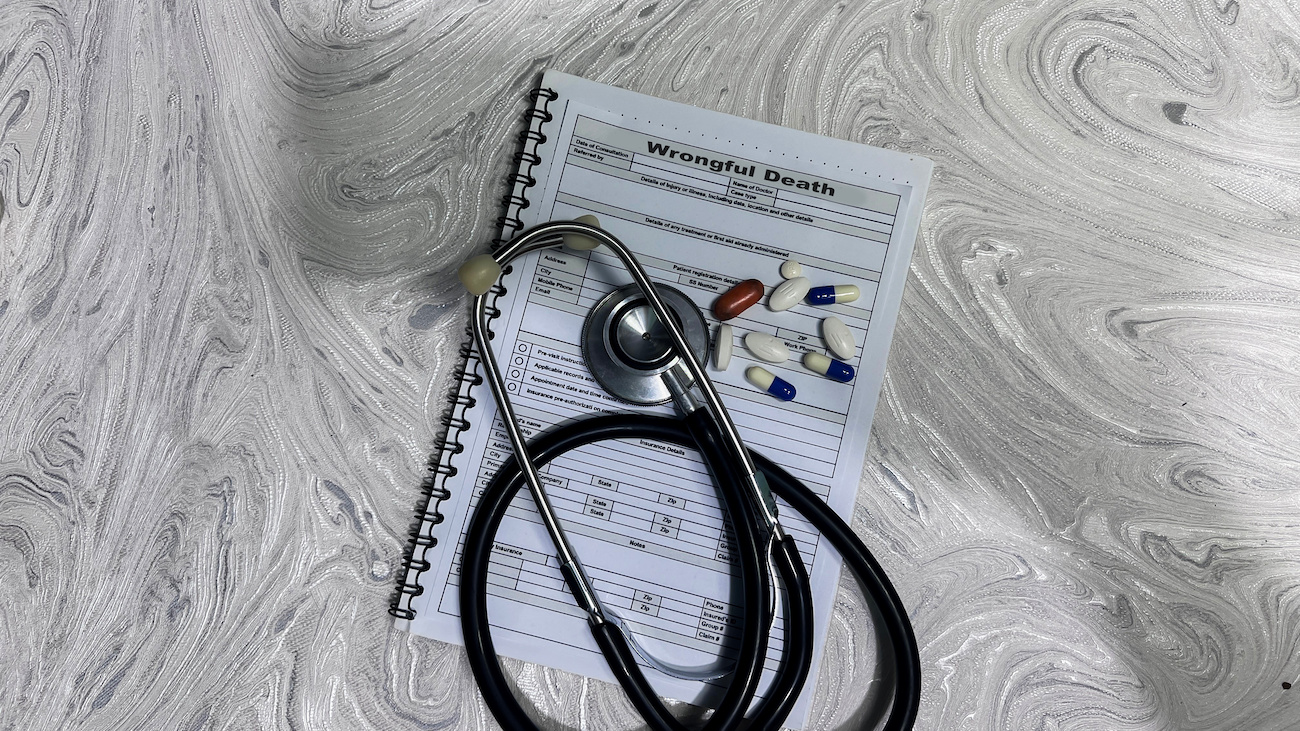
A wrongful death claim may be filed when someone dies because of another person’s negligence, recklessness, wrongful act, or failure to act. These cases may arise from car accidents, truck accidents, medical malpractice, unsafe property conditions, workplace incidents, or other preventable events.
In New Mexico, a wrongful death claim must generally be filed by a personal representative of the deceased person’s estate. This may be someone named in a will or appointed by the court. The Law Offices of Erika E. Anderson can help appoint a personal representative to file a wrongful death claim.
In New Mexico, the statute of limitations for a wrongful death claim against a non-government entity is generally three years. Because deadlines can affect your ability to recover compensation, it is important to contact an attorney as soon as possible.
Compensation may include funeral and burial expenses, medical bills related to the final injury or illness, lost income, loss of financial support, pain and suffering, loss of companionship, and other damages. The damages available depend on the facts of the case and the impact of the loss on surviving family members.
A wrongful death attorney can help your family understand your rights, identify who can file the claim, investigate the cause of death, deal with insurance companies, and pursue accountability. These cases are emotionally difficult, and having experienced legal support can help your family move forward with clarity.
Civil Rights
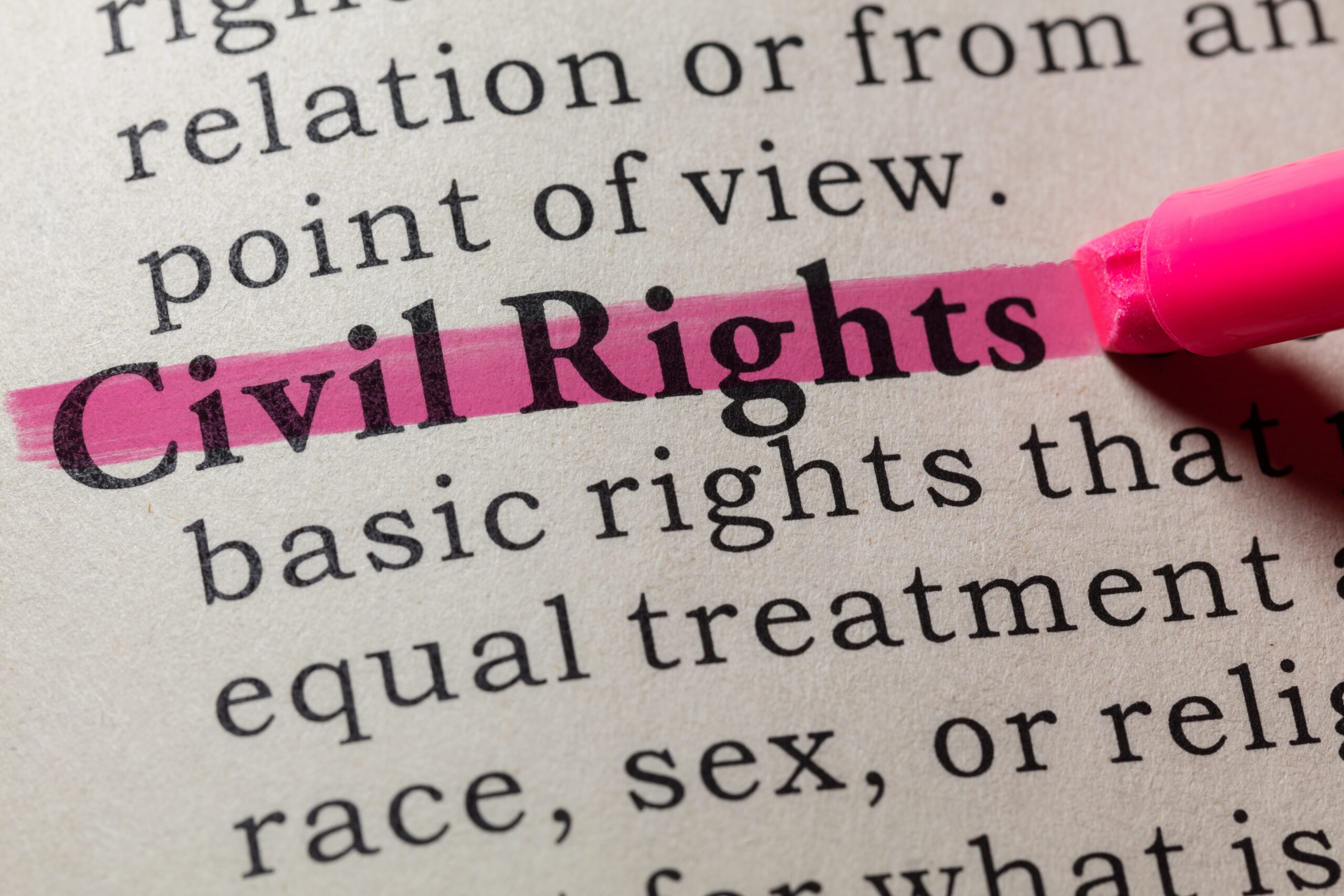
A civil rights attorney helps individuals whose rights have been violated by government agencies, employers, institutions, law enforcement, or other entities. Civil rights cases may involve discrimination, retaliation, wrongful termination, excessive force, constitutional violations, or other abuses of power.
The Law Offices of Erika E. Anderson handles complex civil rights cases in state and federal court. The firm is known for taking on challenging cases and advocating for individuals whose rights have been violated.
Write down everything you remember as soon as possible, including dates, names, locations, witnesses, and what happened. Save emails, letters, photos, videos, documents, or other evidence. Then contact a civil rights attorney to discuss whether you may have a claim.
Compensation may include funeral and burial expenses, medical bills related to the final injury or illness, lost income, loss of financial support, pain and suffering, loss of companionship, and other damages. The damages available depend on the facts of the case and the impact of the loss on surviving family members.
Estate Planning FAQ

Estate planning is the process of creating legal documents that explain how your assets, property, healthcare decisions, and financial matters should be handled during your life and after your death. A strong estate plan can help protect your family, reduce confusion, avoid unnecessary conflict, and make sure your wishes are clearly documented.
Yes. Estate planning is not only for wealthy individuals. If you own property, have children, have bank accounts, want to choose who receives your assets, or want someone you trust to make decisions if you become incapacitated, you can benefit from an estate plan.
An estate plan may include a will, trust, power of attorney, healthcare directive, living will, beneficiary designations, and other documents depending on your needs. The right plan depends on your family structure, assets, goals, and concerns.
A will explains how your assets should be distributed after your death and can name guardians for minor children. A trust can hold and manage assets during your lifetime and after death, often helping families avoid probate and maintain more privacy. Trusts can be used to protect and manage assets while helping ensure a seamless transfer of wealth to beneficiaries.
You may benefit from a trust if you want to avoid probate, protect privacy, manage assets for children or beneficiaries, plan for incapacity, or create specific instructions for how and when assets should be distributed. A trust attorney can help you determine whether a trust is right for your situation.
A revocable living trust is a trust that you create during your lifetime and can generally change or revoke while you are alive. It can help manage your assets, provide instructions if you become incapacitated, and allow assets to pass to beneficiaries without going through probate.
You should review your estate plan after major life changes, such as marriage, divorce, birth of a child, death of a loved one, major financial changes, buying or selling property, moving to another state, or changes in your relationships or wishes. Even without major changes, it is wise to review your estate plan every few years.
Probate FAQ
Probate is the legal process of administering a deceased person’s estate. This may include validating a will, identifying assets, paying debts, notifying beneficiaries, resolving disputes, and distributing property. The process can be simple or complex depending on the estate and whether disputes arise.
Not every estate requires a full probate process. Some assets may pass outside probate through trusts, beneficiary designations, joint ownership, or other legal tools. An attorney can review the estate and determine whether probate is necessary.
A probate attorney helps executors, administrators, and beneficiaries navigate the probate process. This can include filing court documents, identifying estate assets, communicating with beneficiaries, addressing creditor claims, resolving disputes, and making sure legal obligations are met.
The length of probate depends on the size of the estate, whether there is a valid will, whether beneficiaries agree, whether creditor issues arise, and whether disputes occur. Some probate matters can be handled efficiently, while others take longer due to litigation or complex assets.
If someone dies without a will, their estate is distributed according to New Mexico intestacy laws. This means state law determines who inherits property. A probate attorney can help family members understand the process and determine who has authority to act on behalf of the estate.
Legal Process FAQ

During the first consultation, the firm will ask questions about your situation, review the basic facts, and determine whether the matter may be a good fit for the Law Offices of Erika E. Anderson. You may be asked to provide documents, timelines, medical information, insurance details, or other records depending on your case.
Bring any documents related to your case. For injury cases, this may include accident reports, medical records, insurance information, photos, witness names, and correspondence from insurance companies. For estate or probate matters, bring wills, trusts, death certificates, financial documents, property information, and court papers if available.
Not every case goes to court. Many legal matters are resolved through negotiation, settlement, or administrative processes. However, some cases require litigation. The Law Offices of Erika E. Anderson has experience representing clients in trials, as well as in state court and federal court.
The firm’s attorneys and support staff work to guide clients through the legal process and keep them informed. The team includes attorneys, intake specialists, paralegals, and legal staff who assist with case preparation, client communication, records, and support.
Clients choose the Law Offices of Erika E. Anderson because of the firm’s experience, litigation background, commitment to New Mexicans, and willingness to take on challenging cases. The firm represents individuals and families in serious legal matters and provides both legal guidance and personal support throughout the process.
New Mexico Legal
New Mexico laws, court procedures, deadlines, and local legal practices can affect your case. A New Mexico attorney understands the legal landscape and can help you navigate state-specific rules, insurance practices, probate requirements, and court procedures.
Yes. Many legal claims have strict deadlines, called statutes of limitations. These deadlines vary depending on the type of case. Personal injury, wrongful death, medical malpractice, civil rights, and probate-related matters may all have different time limits. Speaking with an attorney early can help protect your rights.
Some small or simple matters may be handled without an attorney, but serious injury claims, medical malpractice cases, wrongful death claims, civil rights cases, and contested probate matters can be complicated. An attorney can help protect your rights, avoid mistakes, and pursue a better outcome.

Contact FAQ

You can contact the Law Offices of Erika E. Anderson by calling (505) 944-9039, emailing eea@eandersonlaw.com, or visiting the firm at 105 Bryn Mawr Dr. SE, Albuquerque, NM 87106. You can also fill out the online consultation form to be contacted by an intake specialist.
Call the office or submit a consultation request online. If your matter involves an accident, injury, wrongful death, civil rights issue, estate plan, trust, or probate matter, the firm can help you understand your next step.